BREAKING: Iran Suffers Catastrophic Setback as Israel Executes Precision Assault
Hussein Mansour is a fellow at the Jerusalem Center for Security and Foreign Affairs, ISGAP, and the author of The Abrahamic Metacritique, where he writes about Middle Eastern politics, Islamic thought and modern intellectual history.
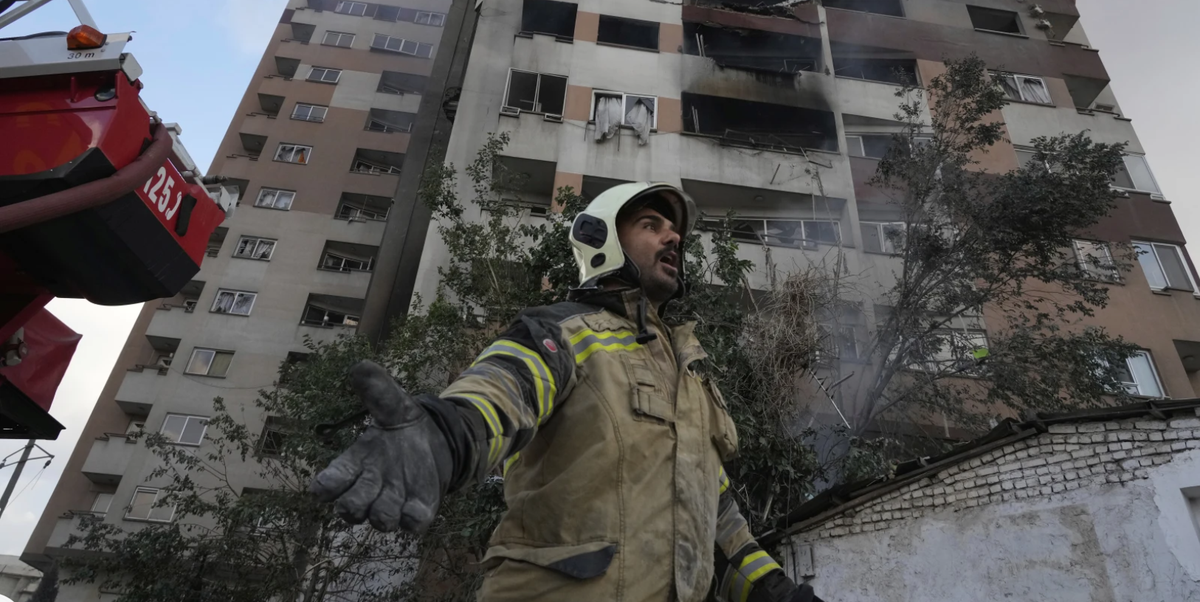
Just last night, Israel initiated targeted military strikes against critical Iranian nuclear sites and announced the assassination of key leadership figures in Tehran. It is not yet clear the extent of the damage caused. This decisive move was neither unexpected nor unjustified. Confronted by Iran's unabated nuclear ambitions and its explicitly genocidal threats against the Jewish state, Israel’s actions constitute an urgent response to an existential menace that diplomacy has repeatedly failed to resolve. As events unfold rapidly, clear-eyed analysis and considered predictions become more essential than ever.
First, Iran wants nuclear weapons. Iran is building nuclear weapons. Iran has nearly acquired nuclear weapons. Israel’s strike today was necessary, urgent, and overdue. Decades of diplomatic deception by Tehran, enabled by the disastrous failures of the Obama and Biden administrations, left Israel with no choice but decisive military action. Nearly everyone knows this was well overdue.
Second, let us clearly distinguish Iranian rhetoric from capability. While Tehran's regime has repeatedly demonstrated its willingness and capacity for violence and destruction, its apocalyptic declarations remain inflated propaganda rather than any credible strategic ability. Iran simply does not possess the military resources necessary for direct confrontation with Israel, much less with the United States. The regime is isolated: devoid of powerful allies willing to intervene decisively in its defense, and supported only by weakened proxies. Hezbollah's effectiveness is significantly degraded; Hamas and Palestinian Islamic Jihad are reeling from sustained Israeli operations. In short, Iran’s threats, though undeniably dangerous, lack strategic substance and regional backing.
Third, because Iran has nuclear ambitions but lacks strategic capabilities, its sole strategy has always been deception, diplomatic maneuvering, and delay. Tehran's endless negotiations served only to buy time, to move toward nuclear capability while balancing regional threats to maintain leverage. This cynical game could never last indefinitely. Today, thanks to Hamas’s disastrous decision on October 7th, Israel was finally able to call Tehran’s bluff.
Fourth, given everything outlined above, there will likely be no major regional war. Iran’s regime, ultimately cowardly, values its own survival above all else. Israel’s strikes, from the reports so far, are precise: aiming exclusively at neutralizing nuclear facilities and eliminating strategic leadership. Tehran will respond with predictable bravado, saber-rattling threats, exaggerated promises of revenge, and then claim a victory. Perhaps now, finally, the world will recognize Iran for what it truly is: a paper tiger hiding behind hollow threats, and that is exactly why they must never obtain nuclear weapons. Iran’s retaliation may also likely take an asymmetric form (Cyber).
Expect temporary disruptions in global markets, especially in oil prices. Iran’s typical strategy includes threatening critical shipping lanes, particularly the Strait of Hormuz, prompting short-term volatility and market anxiety. However, substantial long-term economic damage remains unlikely. Gulf states and major economies are surely eager to stabilize markets quickly. We should anticipate brief turbulence rather than sustained instability.
Saudi Arabia, the UAE, and Bahrain will respond carefully. Privately supportive of Israel’s decisive actions against their shared enemy, publicly, they may adopt measured denial plausibility rhetoric. Expect restrained statements with the usual emphasizing of regional stability, paired quietly with intelligence coordination and tacit diplomatic backing.
Lastly, Tehran’s cyber capabilities and sophisticated misinformation networks remain robust. Expect intensified cyberattacks, disinformation campaigns, and strategic media manipulation aimed at creating chaos, confusion, and division. Given today's apocalyptic media landscape and the deliberate disruption efforts from regimes like Iran, Qatar, China, and Russia, who now have come to rely on vast networks of Western activists, influencers, scholars, and pundits, we must anticipate a coordinated wave of misinformation, propaganda, and antisemitic hysteria. This chaos is now a central pillar of their strategy. We must remain vigilant and prepared.
Hours after the initial reports, it is clear that Israel’s military operation was both vast and exceptionally precise. Multiple waves of surgical airstrikes, accompanied by covert ground operations, have reportedly obliterated the entirety of Iran’s nuclear infrastructure. Concurrent targeted actions have effectively decapitated the regime's senior military command and IRGC leadership. This operation marks a historic turning point. The Iranian regime has suffered a catastrophic strategic setback from which rapid recovery seems improbable.
In critical moments like this, clarity matters most. Seek sober analysis, not sensationalism; thoughtful insight, not propaganda. Stay alert, stay informed, and remain committed to seeing it through.
Follow our guest author Hussein Mansour on Twitter/X for breaking news.