Jimmy Kimmel Returns to ABC After Suspension Over Charlie Kirk Remarks

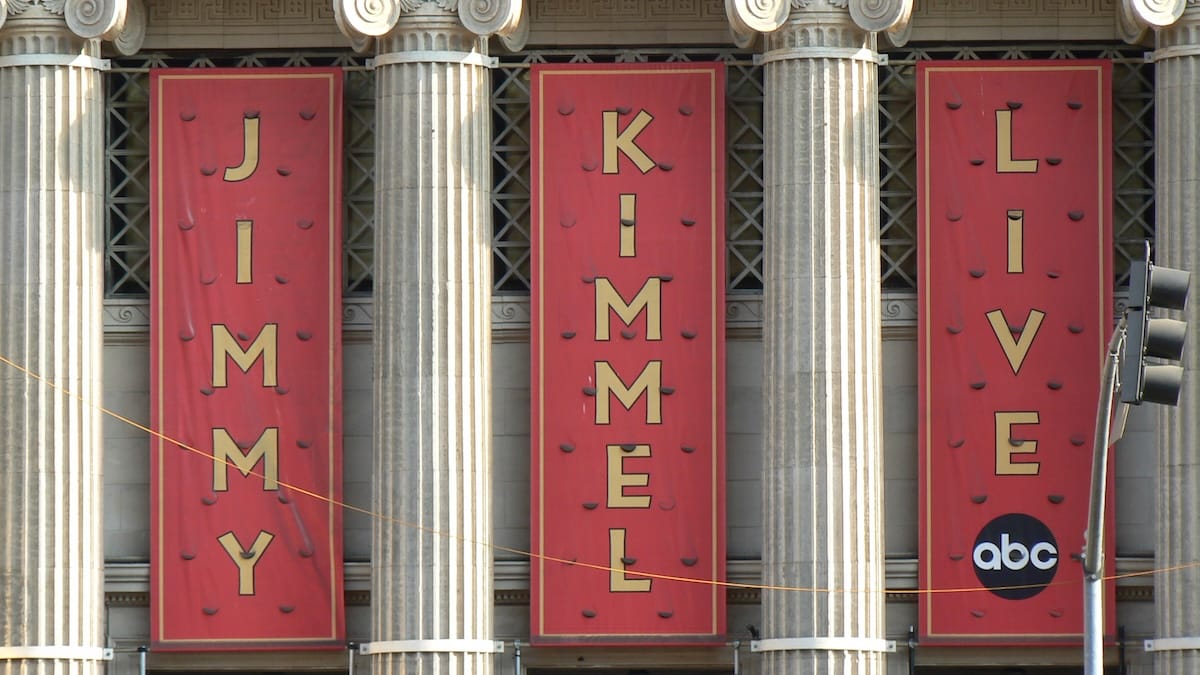
Jimmy Kimmel returned to ABC Tuesday night after being off the air for nearly a week following outrage over remarks he made about Charlie Kirk’s killing. He opened with the words “as I was saying”—the same phrase President Trump used when he returned to the stage in Butler, Pennsylvania, after surviving an assassination attempt in Butler three months prior.
From there, the late-night host grew emotional, choking up as he said he never meant to laugh at Kirk’s death and that he admired Erika Kirk’s public message of forgiveness. But instead of offering a straightforward apology, Kimmel insisted his words were misunderstood. The closest he came to admitting fault was saying he could have expressed himself better.
The focus of his monologue soon shifted from Kirk to Kimmel himself. He framed the backlash as an issue of “free speech,” warning that if comedians can be pushed off the air by angry government officials and viewers, then no one is safe from being silenced. He called out FCC Commissioner Brendan Carr for what he described as meddling in broadcast content, claiming that political pressure played a role in his suspension.
Yet the reality is more complicated. ABC brought him back, but many local affiliates either delayed or skipped his program entirely. That’s not Washington, D.C.—that’s station managers responding to angry phone calls from their own audiences. For all his complaints about government overreach, Kimmel’s bigger problem may be that people don’t want his show on their screens.
His return carried a tone of gratitude and defiance. He thanked allies across the media industry who defended him, and even singled out conservatives like Candace Owens and Senator Ted Cruz for supporting his right to stay on air. But his words to the broader conservative audience rang hollow. Viewers who hoped for accountability instead saw a host in tears insisting he had been taken out of context.
Kimmel’s response underscored a broader pattern in elite media. He acknowledged Erika Kirk’s grace, yet avoided grappling with why so many conservatives found his original comments cruel. His “clarifications” leaned on the familiar claim of being misunderstood rather than taking responsibility.
And while he tried to cast his suspension as a story about federal regulators, it was ordinary viewers, advertisers, and affiliates who pulled the plug. That underscores a truth many in entertainment resist: the audience still has the final say.
In the end, Kimmel positioned himself as a defender of comedy and free expression. But what was missing was the simplest act: saying “I was wrong.” Until late-night figures can show the same compassion to conservatives that they demand for themselves, their tears will read less like remorse and more like performance.
Charlie Kirk is not coming back. Jimmy Kimmel was gone for about a week. And yet it is Kimmel and his defenders who want to act like the victims—always.
Michael J. Hout is Editor-in-Chief of Liberty Affair. Based in Warsaw, Poland, he writes about politics, culture, and history. Follow his latest insights on X: @michaeljhout.