No Federal Taxes Under $150K? How Trump’s Plan Could Reshape America

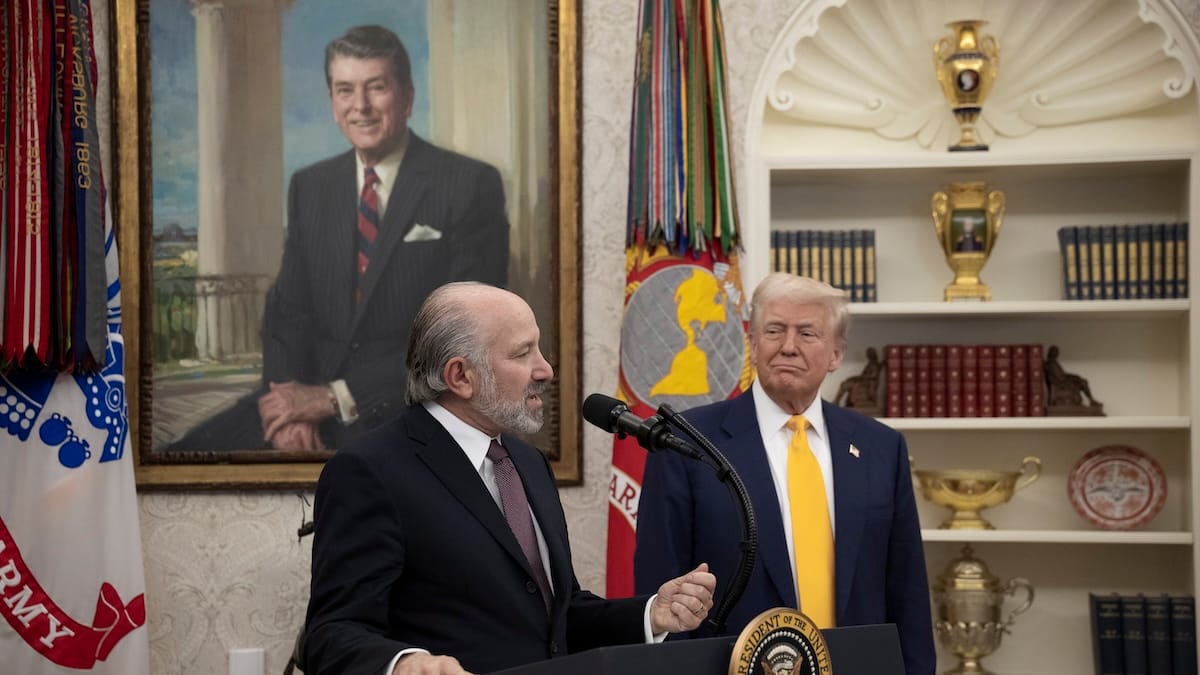
President Trump is once again shaking up economic discussions with a bold proposal: eliminating federal income taxes for Americans earning less than $150,000 per year. The idea, floated recently by Howard Lutnick, the U.S. Secretary of Commerce for the Trump administration, has stirred debate on social media. Supporters praise it as a pro-middle-class, pro-growth measure, while critics warn of potential economic distortions, budget shortfalls, and unintended consequences.
But would this really be a game-changer for working Americans, or does it introduce new problems? Let’s examine the pros and cons of such a plan.
The Potential Benefits of Eliminating Taxes on Incomes Under $150,000
1. A Huge Boost for Middle-Class Americans For many Americans, taxes take a significant bite out of earnings. Eliminating federal income tax on incomes up to $150,000 would effectively give middle-class families a substantial raise, putting thousands of dollars back into their pockets. This could ease financial burdens, encourage consumer spending, and help struggling households combat inflation.
2. Encouraging Economic Growth With more disposable income, consumer spending would likely increase. The additional money in people’s pockets could lead to higher demand for goods and services, benefiting businesses and potentially stimulating job creation. A similar argument has been made for Trump’s push to eliminate taxes on tips—a policy that would be particularly impactful for service industry workers.
3. Potentially Simplifying the Tax System If a large segment of the population no longer had to file federal income taxes, the tax code could become much simpler. This aligns with Trump’s broader push to reform the tax system, which has also included discussions about abolishing the IRS entirely. His vision of an "External Revenue Service" would shift tax collection away from the current bureaucratic structure, reducing government overreach and administrative costs.
4. Aligning with Pro-Growth, Pro-Business Policies Trump has long advocated for lower taxes and deregulation as a way to fuel economic expansion. A no-tax policy for most Americans fits into his broader vision of fostering a more dynamic and competitive economy. Paired with his previous tax cuts and deregulation efforts, this could be seen as another step toward minimizing government interference in wealth creation.
The Potential Downsides of the Proposal
1. A Massive Revenue Shortfall One of the most immediate concerns is how the federal government would compensate for the lost tax revenue. Income taxes provide a substantial portion of federal funds, covering everything from defense to infrastructure to social programs. If this plan were implemented, where would the government find the money to maintain essential services?
Some speculate that a national sales tax or (most probably) tariffs would be used to bridge the gap. Others suggest the government could offset the loss through spending cuts, courtesy of DOGE. However, without a detailed proposal on how Trump’s administration would balance the books, this remains a concern.
2. The "Tax Cliff" Issue A major problem with eliminating taxes for those earning under $150,000 is the creation of a tax cliff. If someone making $149,999 pays zero in income tax but someone earning $150,001 suddenly has to pay taxes on their entire income, it creates a strong disincentive to earn slightly more. This could discourage raises, promotions, or overtime work, particularly for those close to the threshold, unless their increase in income is substantial enough to outweigh the new tax burden.
3. Unclear Impact on Social Security and Medicare Social Security and Medicare are largely funded through payroll taxes, not income taxes, so this proposal wouldn’t directly cut their funding. However, any large-scale reduction in federal revenue could lead to pressure on these programs, particularly if alternative funding sources don’t materialize. Trump has suggested reforms to Social Security, but it remains unclear how this proposal would interact with those ideas.
4. Potential Wealth Redistribution Concerns While lower-income and middle-class Americans would benefit from this tax cut, it could shift the tax burden toward high earners, businesses, or alternative revenue sources. Some conservatives argue that if too much revenue has to be replaced with new taxes on businesses or investments, it could ultimately harm economic growth in other ways. If alternative revenue sources involve higher tariffs or a national sales tax, that could also disproportionately impact lower-income Americans by increasing the cost of goods.
The Bigger Picture: Trump’s Broader Tax Vision
This proposal fits into a larger discussion about Trump’s potential second-term tax agenda. Along with eliminating federal income tax for most Americans, he has also pushed for:
- Abolishing the IRS: Trump has hinted at eliminating the IRS in its current form and replacing it with a more streamlined tax collection system. This would be a radical shift in the U.S. tax system, potentially reducing government intrusion but also raising concerns about enforcement and compliance.
- No Taxes on Tips: Trump has argued that service workers shouldn’t have to pay taxes on their tips, which he sees as an extra penalty on hard-earned wages. This would be a targeted relief measure for a key segment of the workforce.
- Continuing or Expanding Trump’s 2017 Tax Cuts: Many Republicans want to extend or make permanent the tax cuts from Trump’s first term, arguing that they helped spur economic growth and job creation.
Is This a Good Plan?
Like many bold policy ideas, eliminating taxes for those earning under $150,000 comes with both advantages and risks. The plan would offer substantial financial relief for middle-class Americans and could stimulate economic growth, but it also raises serious questions about government funding and economic distortions.
If Trump wants this plan to gain traction, his administration will need to address concerns about lost revenue, the potential tax cliff effect, and how it fits into broader tax reforms. Without clear answers, the proposal risks being seen as more of a talking point rather than a viable policy.
Michael J. Hout is Editor-in-Chief of Liberty Affair. Based in Warsaw, Poland, he writes about politics, culture, and history. Follow his latest insights on X: @michaeljhout.