Saving Western Civilization: The Urgent Battle to Reclaim Higher Education
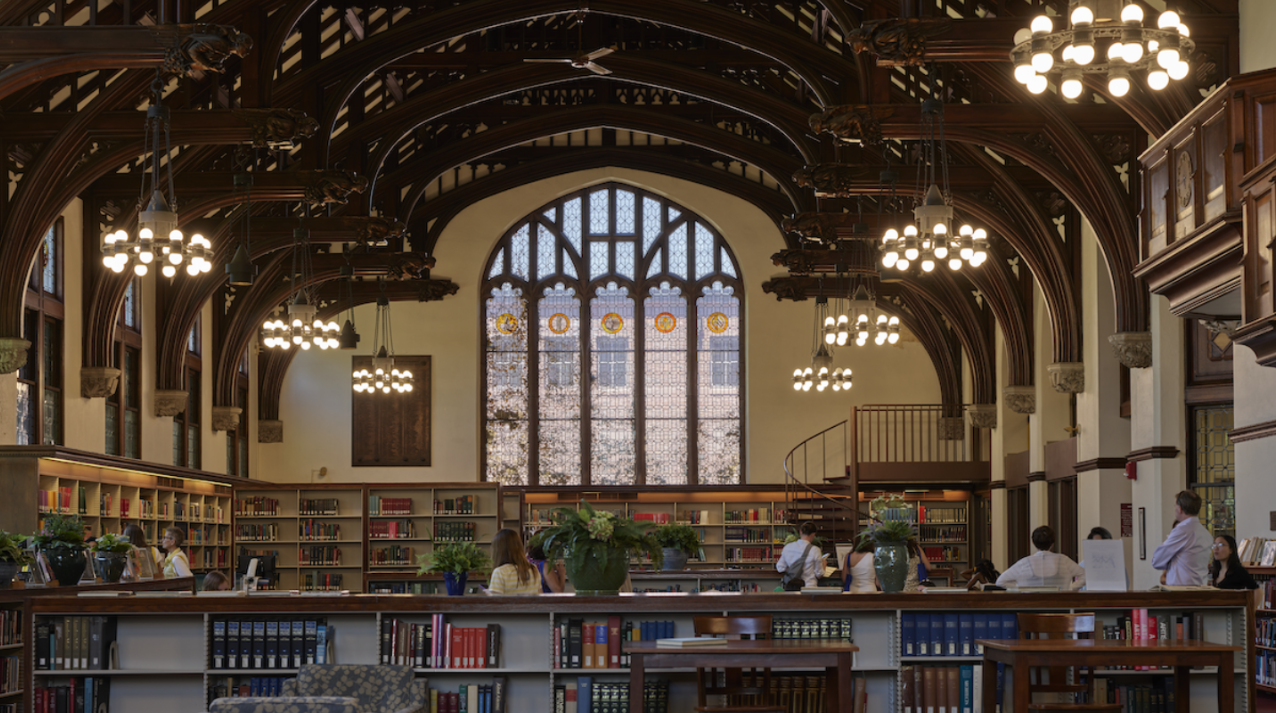
The importance of the educational system simply cannot be overstated. In countless ways, the manner in which teenagers and young adults are shaped and formed determines the very trajectory of a culture and civilization. A nation’s moral character, intellectual vitality, capacity for innovation, and ultimately its survival all hinge upon the quality and values embedded in the education it imparts to its young.
Elite universities, once the pride of Western civilization, have entered a period of free fall marked not merely by episodic scandal but by a systemic collapse of intellectual rigor, moral purpose, and cultural stewardship. The corrosion of these institutions is multidimensional. Once-forbidden dogmas now masquerade as academic truth. The traditional mission to pursue knowledge and instill critical thinking has been supplanted by an obsession with narrow identities and grievances. Academic curricula now fixate on race, gender, and postcolonial theory, while the great works of philosophy, theology, and literature are increasingly neglected—or even condemned as relics of oppression.
University bureaucracies have grown sclerotic and massive, employing legions of administrators devoted not to scholarship, but to enforcing ideological conformity, regulatory compliance, and risk-aversion. This bureaucratic sprawl diverts precious resources away from students and faculty alike, institutionalizing mediocrity and stifling innovation. In the aftermath of October 7th, elite campuses descended into disturbing displays of antisemitism and historical erasure. Professors and administrators, enraptured by a cult of progressivism, openly attacked the legitimacy of the world’s only Jewish state, denying the Jewish people their historical and biblical connection to the Land of Israel. Such actions represent not mere negligence, but a deliberate renunciation of the values that have long undergirded Western civilization.
The rot is not confined to the humanities. The hard sciences, once presumed immune to ideology, have suffered from what is now known as the reproducibility crisis—a symptom of lax standards, institutional inertia, and bureaucratic self-preservation. Just months ago, Vice-President JD Vance highlighted this growing problem on social media, underscoring how countless published studies, especially in biology, fail to meet the most basic requirements of replication, thereby undermining scientific reliability and progress. Voices like Eric Weinstein have decried the peer-review system as a tool of ideological enforcement, one that smothers innovation and prolongs intellectual stagnation. Higher education has devolved into a costly game, entrapping students in ever-mounting debt for degrees that increasingly lack tangible value. The focus has shifted from the mastery of real-world skills to the endless pursuit of credentialism, fueling a system designed more for its own perpetuation than for the cultivation of genuinely capable citizens.
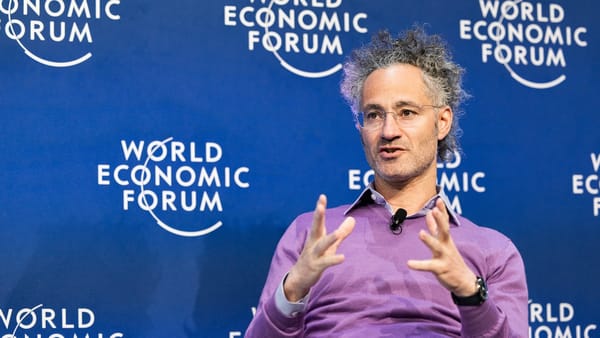
Yet there are promising signs of resistance amid this crisis. Palantir, under the iconoclastic leadership of Alex Karp, has openly embraced the hiring of college dropouts, arguing that the crucible of rigorous work experience provides far more substance than four years squandered in academia’s ideological echo chambers—an experience all too often burdened by unsustainable debt. This approach calls to mind the old trade school ethos, where apprentices mastered tangible, hard skills that prepared them to grapple with the practical realities of the world instead of becoming mired in a vortex of grievance studies and fashionable nihilism.
By valuing hands-on expertise and intellectual independence over hollow credentials, Palantir exemplifies a model in which real-world challenges serve as the most effective form of education, cultivating problem-solving abilities, resilience, and innovation well outside the confines of crumbling academic establishments. This resurgence of practical apprenticeship and meritocratic hiring signals a crucial alternative path for young adults disillusioned with traditional higher education.
This decadence has deep and far-reaching consequences. Civilizational continuity demands more than technical proficiency; it requires moral seriousness, historical consciousness, and an ethos of truth-seeking. The current system, in contrast, produces graduates steeped in cynicism, entitlement, and ideological groupthink—all the while neglecting the foundational knowledge and virtues required to sustain a free society.
Against this bleak backdrop, new institutions are rising to reclaim the core ideals of higher education. The University of Austin (UATX) emerges as a bold experiment in cultural renewal, one that seeks not just to reform but to revive the Western intellectual tradition in its fullness. Its founders include major figures such as Joe Lonsdale, entrepreneur and co-founder of Palantir, who offers a hard-headed approach toward building academic excellence and practical relevance; Niall Ferguson, the esteemed historian whose sweeping insights elucidate the forces that shape and reshape civilization; and Bari Weiss, journalist and public intellectual determined to challenge the culture of conformity crippling both media and academia. They aim to foster a community of independent thinkers, risk-takers, and genuine seekers of truth—champions for a new academic culture. The UATX curriculum stands in stark contrast to the prevailing model. All undergraduates pursue a rigorous Great Books sequence spanning Homer, Plato, Augustine, Dante, Shakespeare, Nietzsche, and beyond—the very texts that have animated the Western imagination for centuries. This core is supplemented by an in-depth study of philosophy, the history of science, political theory, and even the Bible as literature. Instead of filtering every discussion through the lens of contemporary grievances, UATX frames inquiry around enduring questions: What is justice? What is freedom? What is the good society, and what obligations do we share toward one another? This approach reinvigorates the ancient Socratic mode of critical debate, reviving the lost art of argument without enmity or fear.
Faculty are chosen for their breadth of knowledge, passion for teaching, and proven independence of thought. The university pledges to uphold open discourse, intellectual diversity, and a fearless search for the truth. UATX affirms the unity of knowledge by integrating the sciences and the liberal arts. Students must grapple with the philosophical and ethical dimensions of scientific breakthroughs just as readily as they master the scientific method itself. Practical engagement forms a vital component as well, with partnerships with industry, entrepreneurship, and robust work-study opportunities ensuring that students are not insulated from the realities of the marketplace. The program seeks to forge both character and competence, nurturing wisdom in tandem with technical skills.
In forging this path, UATX aspires to raise a new generation—one that is not merely employable but truly educated in the richest sense. If successful, this undertaking may yet restore the intellectual dynamism, cultural confidence, and moral gravity upon which any future worthy of the West depends. Their curriculum, firmly rooted in the liberal arts tradition, is structured around the study of great texts, robust debate, and the relentless search for enduring truths.
The crisis facing our educational institutions is not simply an academic problem; it is an urgent cultural emergency. Without a profound reckoning and renewal, the decay of higher education threatens to accelerate the erosion of the shared values and collective wisdom that bind societies together. Yet within this crisis lies an opportunity: to reject complacency and restore a tradition of rigorous inquiry, moral seriousness, and intellectual courage. Institutions like the University of Austin embody this hopeful possibility. By rekindling a reverence for the great works, fostering open discussion free from ideological coercion, and preparing students to engage thoughtfully with both the challenges of the present and the heritage of the past, they chart a path toward cultural and intellectual revival. This renaissance is not guaranteed; it demands commitment, sacrifice, and vision from educators, students, and citizens alike.
Ultimately, the survival and flourishing of Western civilization depend on the capacity of new generations to inherit, understand, and extend the treasure trove of knowledge, virtue, and creativity passed down through centuries. Higher education must once again become a beacon of light and liberty—a place where ideas are tested without fear and where young minds are sharpened to meet the demands of an uncertain future. To reclaim this noble mission is to affirm hope itself: hope that learning can still liberate, that wisdom can still guide, and that civilization can not only endure but transcend its present trials. The road ahead is arduous, but the rewards—an enlightened, morally serious, and inventive citizenry—are immeasurable. The time to act is now.
Ziya H. is a Liberty Affair contributor. He lives in Warsaw, Poland. Follow him on X @Hsnlizi.