Syria After Assad: Can Peace Prevail?

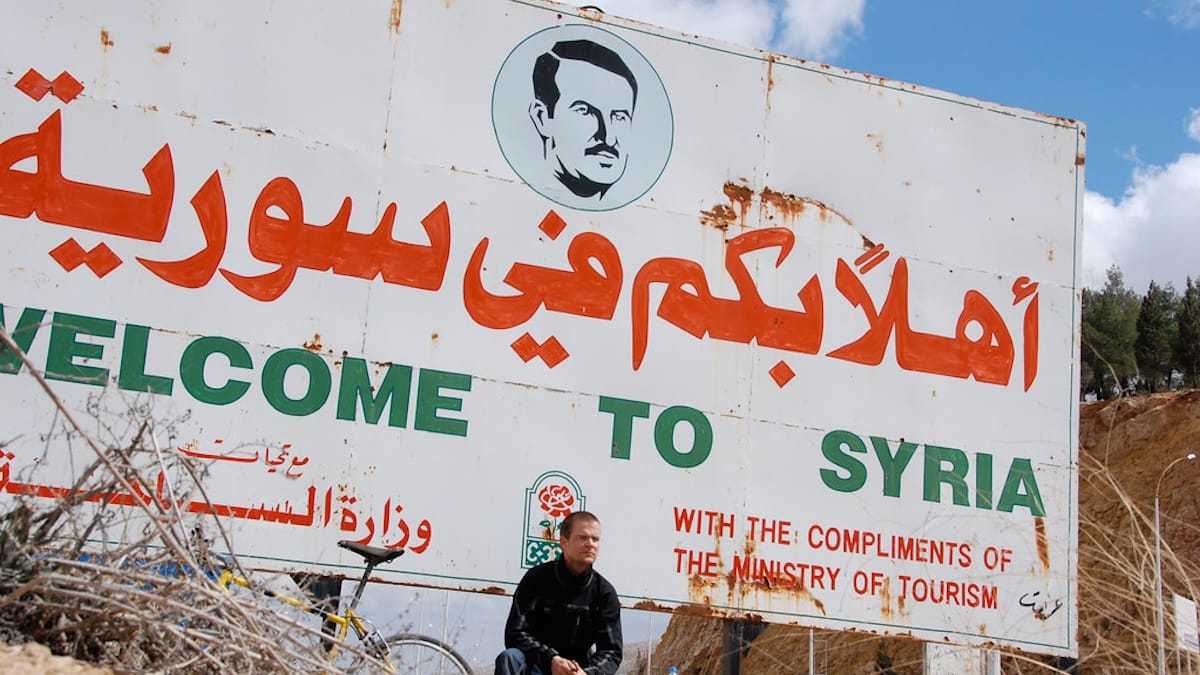
The fall of Syrian President Bashar al-Assad marks a pivotal moment in Syria’s history and raises profound questions about the future of the country and the wider region. As rebel forces celebrate their victory in Damascus and international actors recalibrate their strategies, the world is left to wonder: What comes next for Syria? Will the nation chart a path toward stability and renewal, or will it descend into chaos, much like Iraq after Saddam Hussein? To answer this, we must consider Syria’s historical context, parallels in the Middle East, and the forces likely to shape its post-Assad trajectory.
Modern Syria’s identity has long been tied to the geopolitical ambitions of external powers. The Sykes-Picot Agreement of 1916, a secret pact between Britain and France, divided the remnants of the Ottoman Empire into arbitrary spheres of influence, creating borders that ignored ethnic, religious, and tribal realities. These divisions sowed the seeds of future conflict. Post-independence Syria became a battleground for competing ideologies—pan-Arabism, socialism, and religious conservatism—while serving as a proxy for Cold War powers. The Assad dynasty rose to power in 1970, by way of brutal authoritarianism, alliances with Iran and Russia, and internal repression to maintain control.
Now, with Assad gone, Syria finds itself at a crossroads reminiscent of Iraq after Saddam Hussein. In 2003, the removal of Saddam created a power vacuum that unleashed sectarian violence, gave rise to Islamist extremism, and deeply destabilized the region. Will Syria follow a similar trajectory? The risk is apparent. The factions that overthrew Assad are united in their hatred of his regime but deeply divided in their visions for Syria’s future. Without a strong central authority, these divisions will likely lead to infighting, further destabilizing the region.
A critical question looms: Will Syria’s new government be Islamist? The Syrian rebellion included factions aligned with extremist ideologies, some tied to groups like al-Qaeda. While moderate voices within the opposition may advocate for pluralism, history warns us of revolutions hijacked by radicals, as seen with Iran’s Islamic Revolution in 1979. If hardliners assert control, Syria could transform into a theocratic state, replacing Assad’s autocracy with another form of repression. For Syrians who have suffered under decades of dictatorship, including ethnic minorities, this prospect is unlikely to inspire hope.
The geopolitical implications are equally complex. Syria has long been a chessboard for regional and global powers. Iran and Russia, Assad’s staunchest allies, will undoubtedly seek to retain their influence in the post-Assad era. Iran’s strategic interests in Syria include maintaining access to Lebanon’s Hezbollah and countering Israeli influence. Russia, now hosting Assad in exile, will likely leverage its involvement to secure its military and economic investments in the region. At the same time, regional players like Turkey and Saudi Arabia will position themselves to fill the vacuum, each pursuing their own agenda. This external tug-of-war threatens to further complicate Syria’s fragile transition.
Israel, in particular, will be watching closely. Assad’s regime, while hostile, was at least predictable. Syria under new leadership—especially Islamist or fragmented leadership—could pose heightened security risks for Israel (as if they didn’t already have enough of those). A destabilized Syria may become a haven for rogue factions or Iranian proxies targeting Israeli territory. Recent Israeli airstrikes on Syrian military positions highlight the nation’s concerns about emerging threats. On the other hand, a stable, more moderate government in Syria could reduce tensions, but such an outcome remains far from assured.
History reminds us that transitions like these are fraught with unintended consequences. The Arab Spring of 2011, which began with calls for democratic reform, produced mixed outcomes across the region. Tunisia achieved fragile democracy, but Libya, Yemen, and Syria itself descended into chaos. Syria’s journey began with peaceful protests that escalated into one of the most devastating civil wars of the 21st century. The scars of this conflict run deep, not just in the physical destruction of cities but in the social fabric of a nation that is fractured along ethnic and sectarian lines.
Rebuilding Syria will require more than infrastructure repairs—it will demand reconciliation and a clear vision for governance. The discovery of torture devices in former regime prisons showcases the brutality of Assad’s rule and the challenges of addressing such atrocities without further polarizing an already divided population. Can a new government establish some semblance of unity, or will revenge and factional divides prolong the cycle of violence?
International support will also play a crucial role in Syria’s recovery. Western nations face a dilemma: how to provide aid and foster stability without empowering extremist elements (as has often been the case with Hamas) or inadvertently bolstering Iran’s regional ambitions. The United States, already stretched thin by other commitments, must decide whether to reengage in Syria in some way or maintain a distance. For neighboring countries like Turkey, Jordan, and Lebanon, Syria’s fate is not just a geopolitical issue but a humanitarian one, as they continue to host millions of refugees fleeing the conflict.
As Syria enters this uncertain chapter, parallels with other Middle Eastern power vacuums serve as cautionary tales. Iraq’s descent into chaos after Saddam Hussein’s fall, Libya’s fragmentation after Gaddafi, and Yemen’s ongoing civil war all highlight the dangers of sudden regime change without clear pathways to stability. These examples underline the importance of strong institutions and inclusive governance—qualities Syria currently lacks.
Yet, amidst these challenges, there is some reason to hope. The Syrian people have shown extraordinary resilience in the face of unimaginable adversity. Their determination to rebuild, adapt, and strive for a better future cannot be underestimated. While the road ahead is fraught with unknowns, it is also a rare moment of possibility. Syrians, with the support of the international community, have an opportunity to shape a future rooted in pluralism, accountability, and economic revitalization.
The question remains: Will Syria be better off without Assad? The answer lies in the coming actions of its people and leaders, as well as the international community’s commitment to supporting a stable transition. Like Iraq after Saddam, Syria faces immense risks, but it also has the chance to forge a new identity, free from the shadow of autocracy. As the sun rises on a new chapter in Syria’s history, the world watches with a degree of cautious optimism. What will this moment bring—a story of renewal, or a descent into deeper turmoil? Only time will tell.
Michael J. Hout is the Editor of Liberty Affair. He currently resides in Warsaw, Poland. Follow him on X: @michaeljhout