The Rapid Rise of Poland

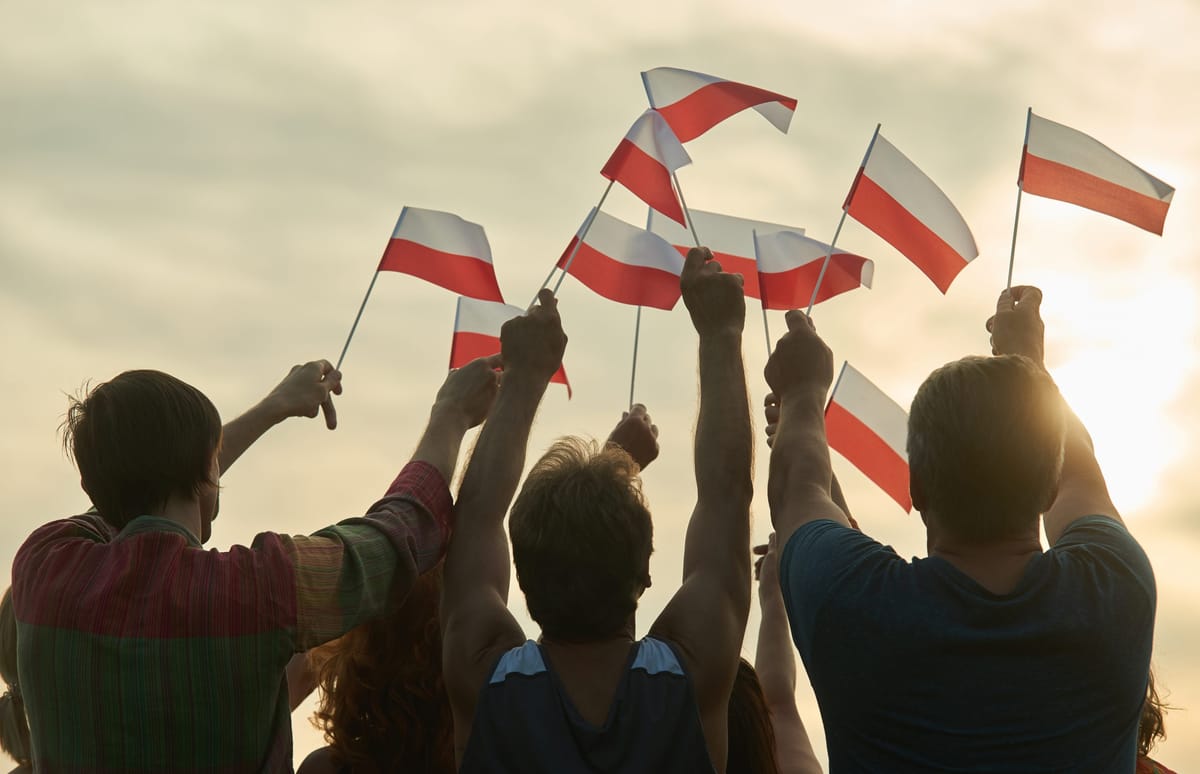
Poland has undergone a remarkable transformation in recent years. After decades of communist rule, it has rapidly developed into one of the most dynamic and prosperous economies in the European Union. By 2030, it is projected that the Central European country will outpace the U.K., France, Spain, and Italy in GDP per capita.
Poland's Economic Transformation
Poland's economic transformation began in 1989, with the fall of communism and the transition to a market-oriented economy. The country's economic transformation was supported by political stability, a favorable investment climate, and a well-educated workforce. In the years following the transition, Poland implemented economic reforms, including privatization of state-owned enterprises, liberalization of trade, and deregulation of the economy.
The economic reforms that were implemented in Poland have had a significant impact on the country's economy. Since the early 1990s, the country has experienced strong economic growth, with an average GDP growth rate of around 4% per year. The country's economic growth has been driven by a number of factors, including a shift towards a knowledge-based economy, the growth of the private sector, and increased integration with the European Union.
The Rise of the Polish Economy
Poland's economy has experienced rapid growth over the past few decades, with the country becoming one of the fastest-growing economies in Europe. In 2021, Poland's GDP was estimated to be $635 billion, making it the sixth-largest economy in the European Union. Poland's rapid economic growth has been driven by several factors.
Firstly, Poland has a highly educated workforce, with a strong emphasis on science, technology, engineering, and mathematics (STEM) education. The country has a large pool of highly skilled workers, which has attracted significant foreign investment. The Polish government has also introduced a range of policies aimed at improving the skills of the workforce, including investing in vocational training and education programs.
Secondly, Poland has a large and growing consumer market, with a population just recently surpassing 40 million people. The country's consumer market has been fueled by rising incomes, increasing urbanization, and a growing middle class. Poland's middle class has become an important driver of economic growth, with increasing demand for consumer goods and services. Thirdly, Poland has a business-friendly environment, which has attracted significant foreign investment. The country has implemented a range of policies aimed at attracting foreign investment, including tax incentives, streamlined business registration processes, and investment incentives for foreign investors.
Fourthly, Poland's membership in the European Union has played a significant role in driving the country's economic growth. The country's membership in the EU has provided access to the world's largest market, as well as access to EU funding and other benefits. This relationship has at times been contentious, as Poland continues to differentiate itself from many of its Western European counterparts, but the partnership has undeniably been a net positive.
Poland's Key Economic Sectors
Poland's economy is highly diversified, with a number of key sectors driving economic growth. The country's key economic sectors include manufacturing, services, and agriculture. Manufacturing is one of the most important sectors in the Polish economy, accounting for around 27% of GDP. The country has a highly developed manufacturing sector, with a focus on industries such as automotive, machinery, and electronics. Poland's manufacturing sector has been driven by the country's highly skilled workforce, as well as the country's location in the heart of Europe.
Services are also an important sector in the Polish economy, accounting for around 65% of GDP. The country's service sector has been driven by a range of industries, including information technology, finance, and tourism. The country has a highly skilled workforce in the service sector, with a strong emphasis on language skills and customer service.
Agriculture is also an important sector in the Polish economy, accounting for around 3% of GDP. The country has a highly developed agricultural sector, with a focus on the production of crops such as grains, vegetables, and fruits. The agricultural sector has played an important role in the country's economic development, providing employment opportunities in rural areas and contributing to the country's food security.
In addition to these key sectors, Poland has also seen growth in other areas such as construction, energy, and logistics. The country has been investing heavily in infrastructure, with new road and rail projects helping to improve connectivity and drive economic growth.
Challenges and Opportunities
While Poland's economy has experienced rapid growth over the past few decades, the country still faces a number of challenges. One of the biggest challenges facing the country is the aging population, which is expected to place a strain on the country's workforce and public finances in the coming years. In addition, the country also faces challenges such as corruption, a lack of investment in research and development, and an overreliance on low-wage industries. Despite these challenges, Poland also has a number of opportunities for further growth and development. The country's strategic location in the heart of Europe, combined with its highly educated workforce and business-friendly environment, make it an attractive destination for foreign investment. The country also has significant potential in areas such as renewable energy, biotechnology, and advanced manufacturing.
Conclusion
Poland's rapid rise as one of the fastest-growing economies in Europe is a testament to the country's hard work, innovation, and resilience. The country's economic transformation has been driven by a combination of factors, including political stability, a favorable investment climate, a highly skilled workforce, and membership in the European Union. While Poland faces a number of challenges, the country also has significant opportunities for further growth and development. The government and private sector will need to work together to address these challenges and leverage these opportunities, ensuring that the country's economic growth continues for many years to come.