Trump Snubbed for Nobel Peace Prize—For Now

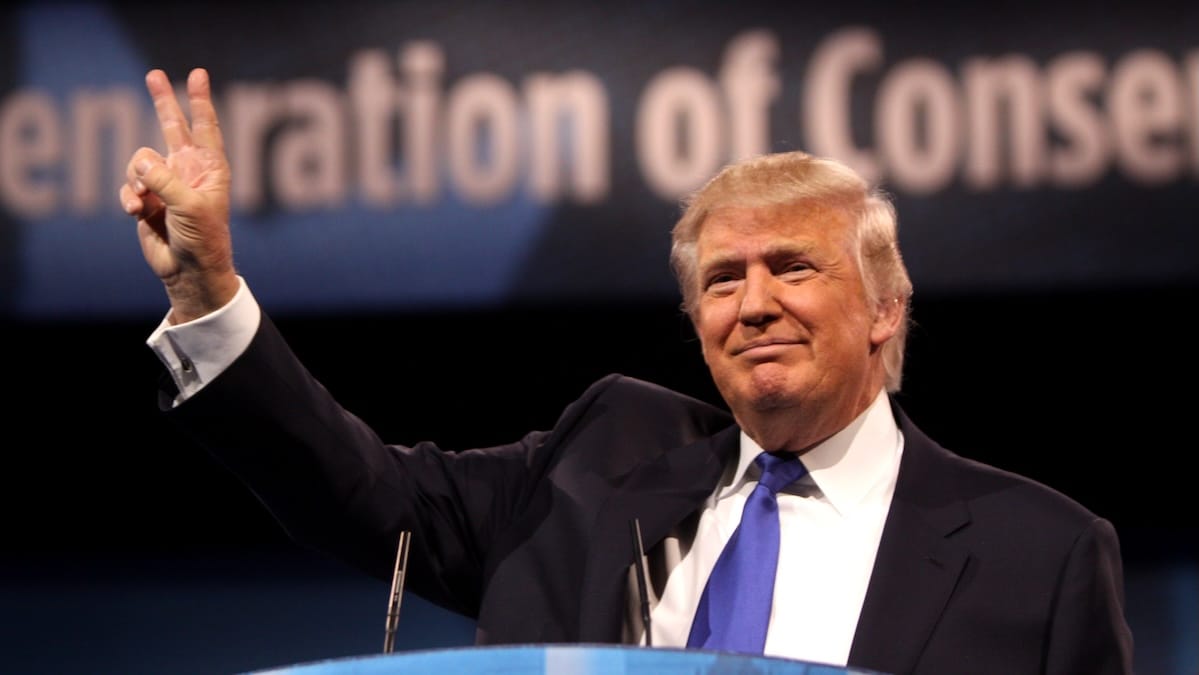
The Nobel Peace Prize for 2025 has gone to Venezuelan opposition leader María Corina Machado, honored for her courage in challenging the Maduro regime and fighting for democracy. Her story is powerful and inspiring, and none of us should diminish her sacrifice. But with Israel and Hamas having just reached a ceasefire under the direct hand of President Trump—hostages released, weapons lowered—many expected the Nobel Committee would finally acknowledge a sitting American president whose diplomacy has so impacted the world. Instead, Trump was passed over.
To call it a snub is not to dismiss Machado’s struggle. She has shown remarkable bravery in standing against authoritarian repression, and she deserves recognition. Even Trump himself praised her earlier this year, noting that she and her allies were “peacefully expressing the voices and the WILL of the Venezuelan people.” But it is precisely because Trump can recognize her courage while simultaneously delivering some of the most consequential peace breakthroughs of the 21st century that the Committee’s choice feels, well, off.
Trump accomplished what few thought possible. He brought Israel and Hamas to the table, secured the release of the last surviving hostages, and brokered a ceasefire that has held. It was not symbolic, not aspirational, but tangible progress. If Alfred Nobel’s original mandate was to honor “the person who shall have done the most or the best work for fraternity between nations… and the promotion of peace congresses,” then Trump’s record this year surely fits the description.
Compare this with Barack Obama, who received the Nobel Peace Prize in 2009 after less than a year in office. He had not yet reshaped the world stage, nor delivered on his lofty campaign promises. His prize was awarded on the basis of hope and style rather than substance. Against that backdrop, the Committee’s refusal to honor Trump—who has results, not just rhetoric—makes the snub even starker.
The Nobel Committee has long preferred symbolic dissidents to controversial statesmen (Henry Kissinger being a notable exception). Honoring a Venezuelan democrat battling tyranny was a far safer choice than recognizing a U.S. president who inspires both devotion and hostility in equal measure. For the Nobel Committee, Trump is perhaps too polarizing, too unpredictable, too unwilling to flatter polite international society—even if his results are undeniable.
That calculation may explain the decision, but it doesn’t excuse it. The Nobel Prize should not be about optics. It should not reward safe gestures while ignoring heavy diplomatic lifting. Roosevelt’s long tenure reassured allies through World War II. In our own time, Trump’s persistence gave Israelis and Palestinians the first breath of calm after years of bloodshed. Historic.
This year’s outcome, then, reveals as much about the Nobel brand as it does about Trump's. Obama’s award, given for aspirations, inflated its symbolism. Trump’s snub, despite his results, diminishes its credibility. The Prize has grown more comfortable celebrating noble resistance than rewarding the contentious but essential work of actual, high-level diplomacy.
And yet, the story may not be over. The Committee has awarded figures years after their greatest achievements. If Trump continues to build on the progress he has already made—whether in the Middle East, with North Korea, or elsewhere—his case will only grow stronger. Perhaps this year was a snub. But perhaps next year will, indeed, be his.
Michael J. Hout is Editor-in-Chief of Liberty Affair. Based in Warsaw, Poland, he writes about politics, culture, and history. Follow his latest insights on X: @michaeljhout.